Beijing, China
-
-
ichsea2027@youngac.cn

Beijing, China
ichsea2027@youngac.cn
Beijing, the capital of China, is a city where three thousand years of history meet a thriving modern metropolis. For participants of ICHSEA 2027, it offers not only world-class conference facilities but also an unparalleled living laboratory of East Asian science, technology, and medicine — from imperial observatories and palace pharmacies to cutting-edge research campuses. On this page you will find practical information on visas, a curated sightseeing guide shaped around the themes of our conference, and an introduction to the local food scene.
China now applies a range of visa-waiver policies, and many international participants will not need to apply for a visa in advance. Please check your nationality against the categories below, and always verify the latest rules on the official websites before booking your trip.
Citizens of more than 50 countries holding ordinary passports may enter China without a visa for business, tourism, family visits, exchange activities (including attending conferences), or transit, for a stay of up to 30 days. Eligible countries include most of Europe (e.g., the United Kingdom, France, Germany, Italy, Spain, the Netherlands, Switzerland, Sweden, Norway, Finland, Denmark, Iceland, Poland, Hungary, Austria, Greece, Portugal, Ireland, and others), as well as Australia, New Zealand, Canada, Brazil, Argentina, Chile, Peru, Uruguay, Japan, the Republic of Korea, Russia, Saudi Arabia, and more.
In addition, under bilateral agreements, citizens of countries such as Singapore, Malaysia, Thailand, the United Arab Emirates, Qatar, and Kazakhstan also enjoy mutual visa-free access.
Travelers from eligible countries who are transiting China to a third country may stay for up to 240 hours (10 days) without a visa in permitted areas, including Beijing. This can be a convenient option if your itinerary includes stops in other countries. Details: 240-Hour Visa-Free Transit.
If your nationality is not covered by the policies above, or if you plan a longer stay, please apply for a visa at the Chinese Embassy or Consulate in your country at least one month before departure. China now supports online visa applications: China Online Visa Application. Typical documents include a passport valid for at least six months, a completed application form, a recent photo, your conference invitation letter, and proof of travel and accommodation.
Official letters of invitation for visa applications are available to registered and paid participants of ICHSEA 2027. The letter does not commit the Organizing Committee to any financial obligation. To request one, please contact the Secretariat at ichsea2027@youngac.cn after completing your registration.
Note: When entering China under a visa-waiver policy, immigration officers may ask for supporting documents. We recommend carrying a printed copy of your conference invitation letter, hotel booking, and return flight ticket. The 30-day stay period is counted from the day after arrival.
For a conference devoted to the history of East Asian science, technology, and medicine, few cities offer as much as Beijing. The selections below combine the city's most representative landmarks with sites of particular interest to historians of science — places where astronomy, calendrical science, architecture, and medicine were practiced at the imperial court for centuries.

Home to 24 emperors of the Ming and Qing dynasties from 1420 to 1912, the Forbidden City is the largest and best-preserved wooden palace complex in the world — and a UNESCO World Heritage Site. Beyond its architectural grandeur, the Palace Museum holds over 1.86 million artifacts, including imperial astronomical instruments, precision clocks (the Gallery of Clocks is well worth the extra ticket), and the medical objects of the imperial dispensary, offering historians of science and medicine a rare glimpse into court knowledge production.

Where Ming and Qing emperors performed the annual rites of prayer for good harvests, the Temple of Heaven is a masterpiece of cosmological architecture: its circular halls, numbered by odd digits considered heavenly, encode a vision of the relationship between heaven, earth, and the calendar. The surrounding park is equally alive — come early in the morning to see locals practicing tai chi, calligraphy with water brushes, and traditional music, a living continuation of the health and cultivation practices our conference studies.

No visit to Beijing is complete without standing on the Great Wall. For an ideal day trip, Mutianyu (慕田峪) offers beautifully restored watchtowers, a cable car, and even a toboggan descent, with fewer crowds than Badaling (八达岭), which is the most convenient by rail. Those interested in military engineering and frontier logistics may prefer Juyongguan (居庸关), the nearest pass to the city, whose Yuan-dynasty cloud platform bears Buddhist carvings in six scripts — a monument to cross-cultural transmission along the frontier.

A vast imperial garden centered on Kunming Lake and Longevity Hill, the Summer Palace is sometimes called a "museum of imperial landscape engineering." Walk the 728-meter Long Corridor painted with scenes from history and legend, visit the Marble Boat, and cross the Seventeen-Arch Bridge — each structure arranged according to classical principles of feng shui, hydraulic management, and garden design that rewarded careful study.

The conference theme — tradition and modernity — is written into the city itself. Wander the hutong alleys around Nanluoguxiang and the lakes of Shichahai, where courtyard homes have stood for centuries, then look up: the 528-meter CITIC Tower ("China Zun") rises over the CBD. The National Centre for the Performing Arts, Qianmen and Dashilar pedestrian streets, and 798 Art District together trace Beijing's continuous reinvention.
If your stay allows, the sites below deserve a place on any ICHSEA itinerary:
Beijing's cuisine reflects its history as an imperial capital and a crossroads of northern China. Here is what not to miss — and yes, the duck is everything it is promised to be.
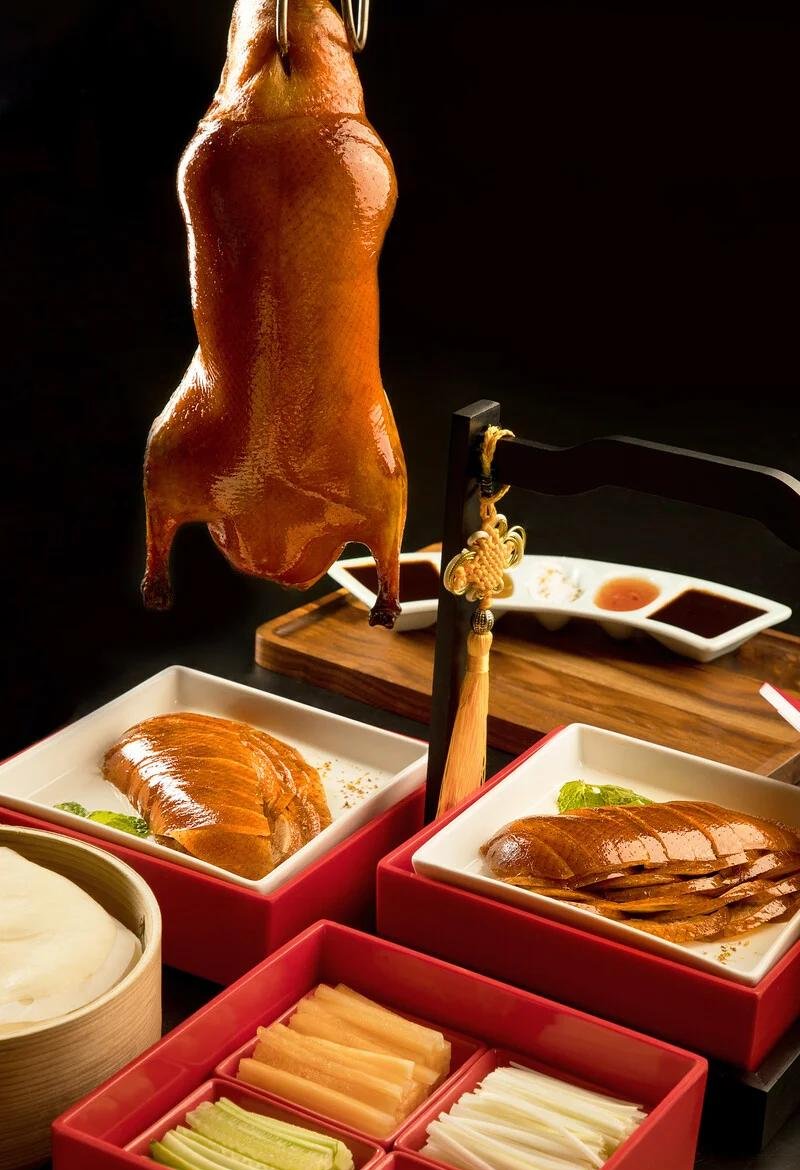
The city's signature dish, roasted until the skin is lacquer-crisp and carved at your table. Wrap slices of duck, scallions, and cucumber in a thin pancake with sweet bean sauce. Historic houses such as Quanjude (全聚德) and Bianyifang (便宜坊) serve versions with centuries of lineage, while Da Dong and Siji Minfu offer modern refinements — book ahead at dinner time.
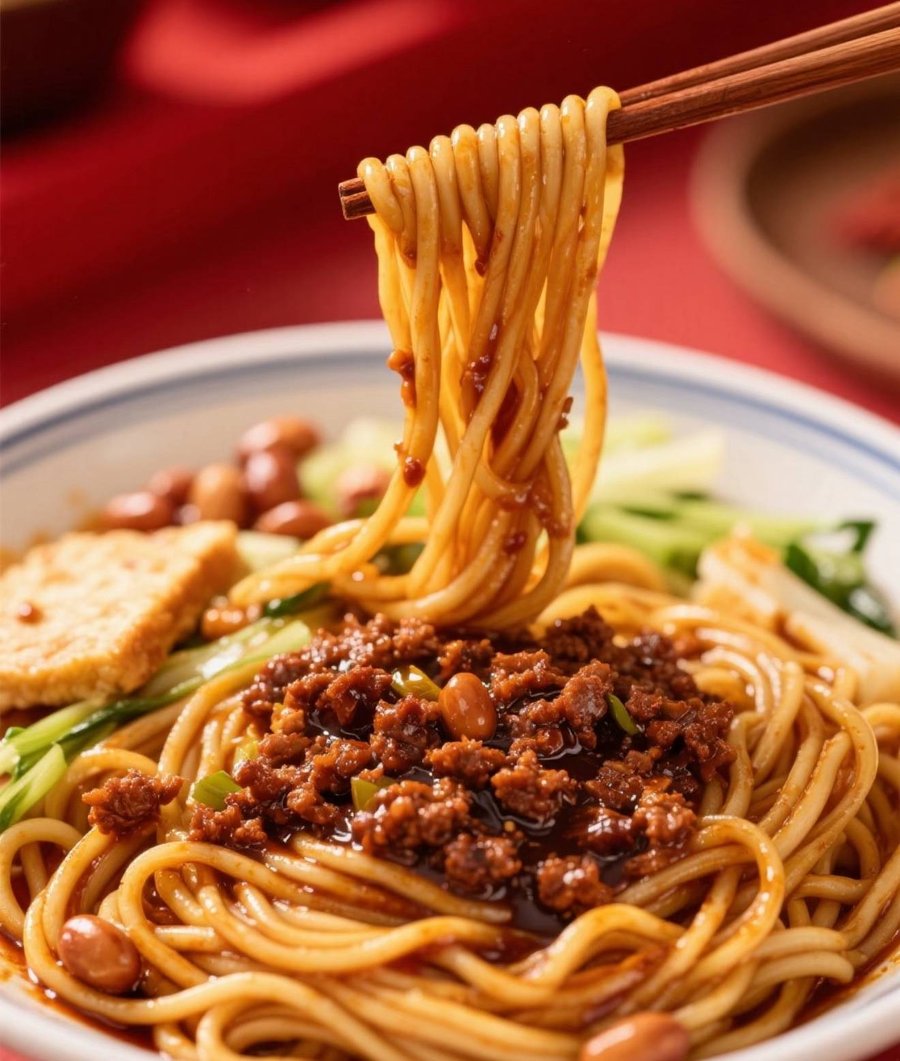
Beijing's beloved "fried sauce noodles": hand-pulled wheat noodles topped with savory fermented soybean paste cooked with minced pork, and an array of crisp, seasonal vegetable shreds that you stir in at the table. Simple, hearty, and the dish locals actually eat for lunch.
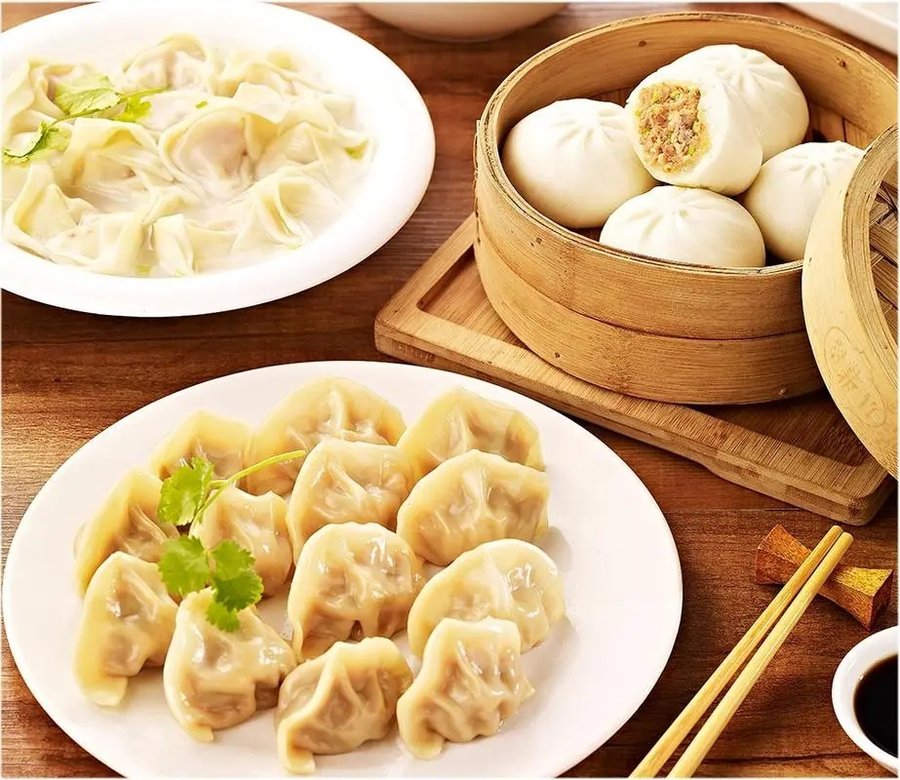
From boiled jiaozi dipped in vinegar to steamed baozi filled with pork and cabbage, dumplings are Beijing comfort food at its best. Try shuijianbao (pan-fried juicy buns) for something in between — the line at a good neighborhood dumpling house is itself a good sign.
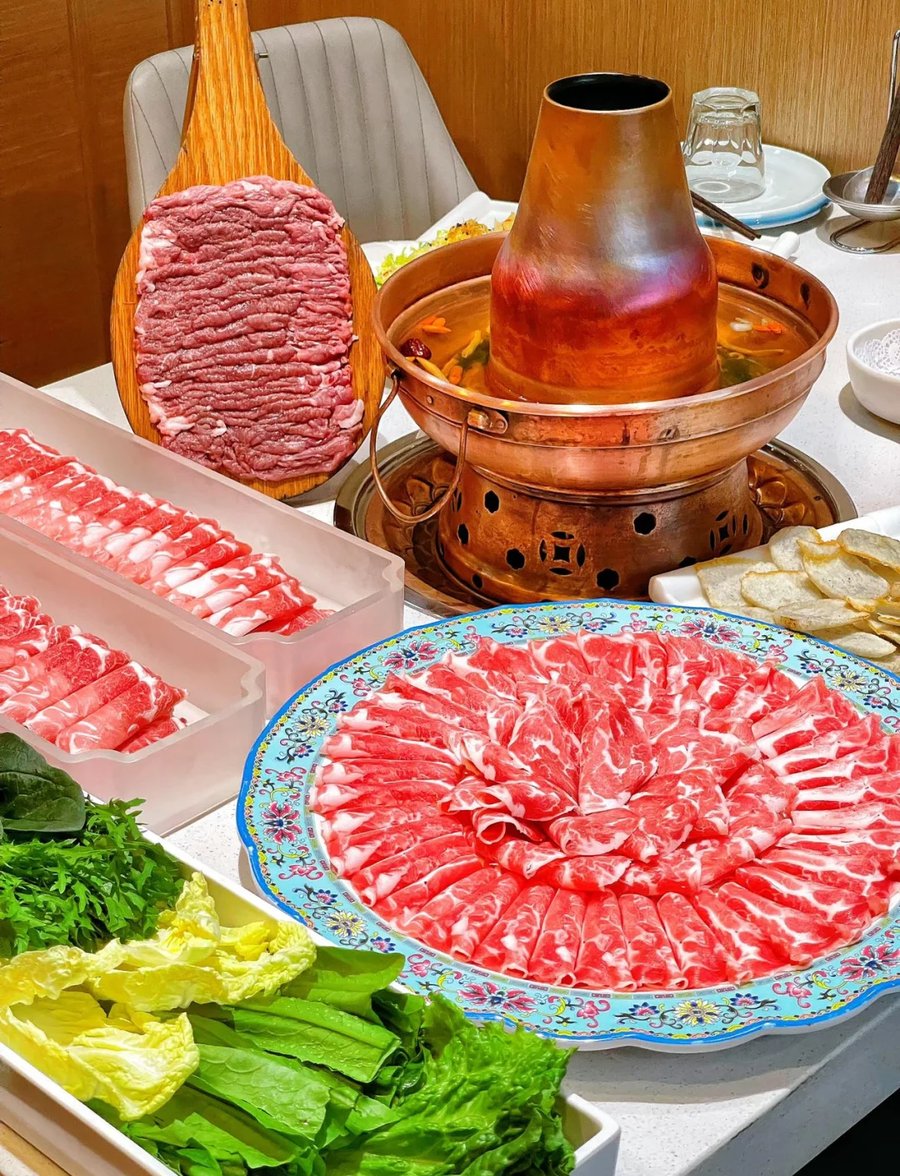
A northern tradition with imperial origins: paper-thin slices of mutton swished for seconds in a bubbling copper pot of clear broth, then dipped in sesame sauce. Founded in 1903, Donglaishun (东来顺) is the classic house for this convivial meal — ideal for a conference dinner group.
Also look for jianbing (the savory breakfast crepe cooked on griddles across the city), tanghulu (candied hawthorn skewers, a winter classic), and a pot of jasmine tea to accompany it all. Halal cuisine is widely available around Niujie street, and most restaurants offer vegetarian dishes. Tipping is not expected, and payment by phone is universal — even street vendors accept it.